Beyond the Script: How Blackart is Redefining Authenticity in Digital Design
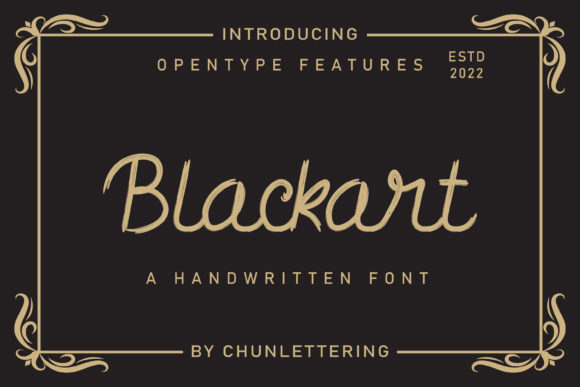
In an era where digital interfaces often feel sterile and algorithmic, there is a palpable shift occurring across the creative landscape. Designers, brand strategists, and entrepreneurs are increasingly seeking ways to inject humanity into their visual communications. This movement away from rigid, geometric sans-serifs toward more organic forms has brought a specific typeface into the spotlight: Blackart. As a brushed and delicate handwritten font with personal and charming vibes, Blackart represents more than just a typographic choice; it signifies a strategic pivot toward emotional connection in branding.
The demand for fonts that mimic the human hand is not merely aesthetic nostalgia. It is a response to a market saturated with automation. When consumers scroll through feeds dominated by AI-generated content and standardized templates, they crave the imperfection that signals genuine human effort. Blackart answers this call by offering a clean touch that feels both crafted and intimate. For professionals ranging from freelance graphic designers to C-suite marketing executives, understanding the utility and impact of such typography is essential for staying relevant in a competitive visual economy.
The Essence of Blackart: More Than Just a Font
To understand why Blackart is gaining traction, one must first appreciate its structural identity. Unlike traditional display scripts that can be overly ornate or difficult to read, Blackart strikes a balance between legibility and artistic flair. It is defined by its brushed texture, which simulates the natural variation of ink on paper, and its delicate stroke weight, which prevents it from overwhelming the layout.
This font is engineered to carry personal and charming vibes, making it uniquely suited for projects that require a sense of warmth. Whether used for a boutique skincare line, a wedding invitation suite, or a motivational quote on a social media post, Blackart brings a level of sophistication that standard handwriting fonts often lack. Its design philosophy centers on the idea that typography should not just convey information but also evoke a feeling. In the context of modern product design, where packaging is the first point of physical contact with a customer, Blackart serves as a silent ambassador of quality and care.
Bridging the Gap Between Digital and Analog
The rise of Blackart coincides with a broader industry trend known as "digital minimalism" paired with "analog warmth." Consumers today are tech-savvy but emotionally weary of the cold efficiency of the digital world. They value authenticity above all else. A brand that utilizes a polished, corporate font may communicate reliability, but a brand that employs Blackart communicates personality.
This distinction is crucial for entrepreneurs building lifestyle brands. In sectors like wellness, artisanal food, and sustainable fashion, the narrative is everything. These industries rely heavily on storytelling, and the visual language must support that narrative. Blackart fits seamlessly into this ecosystem because it looks like something written by a founder, a chef, or an artist, rather than generated by a machine. It bridges the gap between the high-tech delivery of digital marketing and the low-tech charm of handcrafted goods.
Strategic Applications in Branding and Marketing
For marketers and freelancers, the integration of Blackart into a workflow offers distinct advantages when executed correctly. It is not a font for body copy in a technical manual; rather, it is a tool for emphasis, branding, and display. Its versatility allows it to function effectively across various mediums, from static posters to dynamic video overlays.
- Product Packaging: In the crowded retail space, packaging must stand out. Using Blackart for product names or taglines creates an immediate association with premium, handmade quality. It suggests that the contents inside were curated with attention to detail.
- Social Media Graphics: Platforms like Instagram and Pinterest thrive on visual aesthetics. Quotes and inspirational messages rendered in Blackart perform exceptionally well because they appear approachable and shareable. The delicate nature of the font ensures it does not clash with background imagery.
- Event Branding: Weddings, galas, and art exhibitions often require signage that feels elegant yet unpretentious. Blackart provides a solution that elevates the event's atmosphere without appearing overly formal or stiff.
- Logo Design: For startups aiming to disrupt established markets with a friendly face, incorporating Blackart into a logo can differentiate the brand instantly. It signals openness and creativity.
The key to success lies in pairing. Because Blackart is a display font, it works best when contrasted with a clean, neutral sans-serif for body text. This combination creates a visual hierarchy that guides the reader's eye while maintaining readability. The clean touch of the font ensures that even at smaller sizes, it remains decipherable, though it truly shines when given room to breathe in larger formats.
Shifting Consumer Expectations and Workflows
The adoption of fonts like Blackart reflects a deeper change in consumer expectations. Today's audience is hyper-aware of branding strategies. They can easily spot generic stock photography and overused templates. Consequently, they reward brands that take the time to curate a unique visual identity. The use of a distinctive handwritten font signals that a brand has invested in its identity, moving beyond the "safe" choices that define so much of the internet.
Furthermore, the workflows of creatives and entrepreneurs have evolved to prioritize speed without sacrificing quality. Tools that allow for quick customization of assets are in high demand. Blackart, being a versatile asset, integrates smoothly into modern design software, allowing creators to iterate rapidly. A freelancer designing a poster for a client can apply Blackart to a headline, adjust the kerning slightly to enhance the handwritten feel, and deliver a result that looks bespoke. This efficiency is vital in a fast-paced market where trends shift weekly.
There is also a psychological component to this shift. In a world of remote work and virtual interactions, the desire for tactile experiences has grown. Fonts that simulate brush strokes trigger a sensory memory of writing by hand. This subtle psychological cue can increase engagement and retention. When a user sees a message written in Blackart, they subconsciously process it as a direct communication from a person, fostering a stronger emotional bond than a standard typeface could achieve.
Future-Proofing Creative Strategies
Looking forward, the relevance of Blackart is likely to increase as the lines between digital and physical experiences continue to blur. As augmented reality (AR) and virtual commerce expand, the need for human-centric design elements will only grow. In virtual environments where textures can feel flat, a font with the inherent depth and character of Blackart adds necessary dimension.
Moreover, as artificial intelligence becomes more prevalent in content generation, the "human element" will become a premium commodity. Brands that leverage tools like Blackart to emphasize their human side will find themselves better positioned to build trust. The font acts as a visual anchor, reminding the consumer that behind the screen, there are real people with real stories.
For the professional designer, staying attuned to these nuances is part of the job. It involves understanding not just how a font looks, but how it makes the audience feel. Blackart is a prime example of a typeface that transcends its functional role to become a strategic asset. It is a reminder that in the pursuit of innovation, we should never lose sight of the simple, enduring power of the human hand.
Ultimately, the decision to use Blackart is a decision to embrace vulnerability and charm in a business context. It is a declaration that a brand values connection over perfection. In a marketplace that often feels impersonal, that choice can be the differentiator that turns a casual observer into a loyal advocate. As the creative industry continues to evolve, fonts that offer this blend of delicacy and strength will remain indispensable tools for those looking to make a lasting impression.
Whether you are launching a new product line, rebranding an existing venture, or simply creating content that resonates, consider the impact of your typography. Blackart offers a pathway to a more authentic, engaging, and memorable visual identity. By embracing its brushed elegance, you align your work with the growing cultural appetite for the genuine, the personal, and the beautifully imperfect.