Blow Up: The Paint-Brushed Display Font Redefining Creative Expression
In an era where digital saturation often leads to visual fatigue, the most effective design choices are those that reintroduce a sense of humanity and tactile texture. Blow Up, a cool, paint-brushed display font, has emerged as a significant tool for designers seeking to break away from the sterile precision of geometric sans-serifs and rigid serifs. Whether you are using it for crafts, digital design, presentations, or making greeting cards, this font has the potential to become your favorite go-to font, no matter the occasion. It represents more than just a typeface; it is a strategic response to a market craving authenticity.
The Essence of Blow Up: Beyond Aesthetics
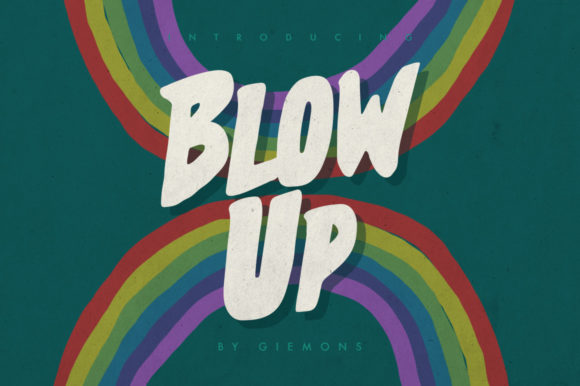
To understand why Blow Up resonates with professionals and enthusiasts alike, one must first examine its construction. Unlike algorithmic fonts generated by mathematical curves, Blow Up mimics the organic imperfections of a physical brush stroke. The varying thickness of the lines, the slight irregularities in the edges, and the dynamic flow of the characters evoke the feeling of hand-painted signage or street art. This aesthetic is not merely decorative; it communicates energy, movement, and a distinct lack of corporate rigidity.
For creatives, the font serves as a bridge between traditional craftsmanship and modern digital workflows. When a designer selects Blow Up, they are signaling a departure from the "perfect" grid. They are choosing a voice that feels spoken rather than typed. This characteristic makes it particularly powerful for headlines, logos, and short-form copy where impact is prioritized over legibility at small sizes. As a display font, it demands attention, acting as a visual anchor that draws the eye immediately to the most critical message on a page or screen.
Aligning with the Authenticity Trend
The rise of Blow Up coincides with a broader shift in consumer preferences and industry standards. We are currently witnessing a massive pivot toward "authenticity" in branding and content creation. Audiences have become increasingly skeptical of polished, over-produced imagery that feels manufactured. In contrast, textures that suggest human involvement—such as grain, paper fibers, and brush strokes—are perceived as more trustworthy and relatable.
This trend is evident across various sectors:
- Marketing and Advertising: Brands are moving away from sleek, minimalist aesthetics to embrace "lo-fi" visuals that feel approachable and community-driven. Blow Up fits perfectly into campaigns that aim to highlight artisanal qualities or grassroots movements.
- Social Media Content: On platforms like Instagram and TikTok, content that looks too staged often underperforms compared to content that feels raw and spontaneous. Using a paint-brushed font helps creators maintain a cohesive, yet informal, visual identity that resonates with younger demographics.
- Lifestyle and Personal Branding: Entrepreneurs and freelancers who build their businesses on personal connection find that Blow Up reinforces their narrative as accessible experts rather than distant corporations.
By integrating this font into their visual language, professionals are tapping into a psychological cue that suggests warmth and creativity. It signals that there is a person behind the brand, someone who cares enough to add a touch of individual flair.
Practical Applications Across Industries
The versatility of Blow Up extends far beyond simple decoration. Its utility lies in how well it adapts to different mediums while maintaining its core character. Here is how different professionals are leveraging this typeface to meet changing workflow expectations:
Digital Design and Web Interfaces
In web design, where user experience (UX) is paramount, typography plays a crucial role in guiding the user's journey. While body text requires high legibility, headers need personality. Designers are increasingly pairing clean, neutral sans-serifs for paragraphs with bold, expressive fonts like Blow Up for hero sections and call-to-action buttons. This contrast creates a hierarchy that is both functional and visually engaging. For instance, a landing page for a creative agency might use Blow Up for the headline "Create Without Limits," instantly establishing a tone of freedom and innovation before the user even reads the supporting text.
Presentations and Corporate Storytelling
The landscape of business presentations is evolving. The days of dense bullet points and generic templates are fading, replaced by storytelling slides that prioritize emotional connection. When entrepreneurs pitch ideas or marketers present data, the visual aid needs to hold attention. Using Blow Up for key takeaways or section dividers can disrupt the monotony of a slide deck, making the presentation memorable. It transforms a standard report into a visual narrative, helping the presenter stand out in a crowded meeting room or virtual conference.
Crafts, Greeting Cards, and Physical Merchandise
Perhaps the most intuitive application of this font is in the realm of physical goods. The maker movement continues to thrive, with consumers valuing handmade items over mass-produced alternatives. Whether you are making greeting cards, designing packaging for small-batch products, or creating custom signage for a pop-up shop, Blow Up enhances the perceived value of the item. The paint-brushed style complements materials like kraft paper, wood, and fabric, reinforcing the artisanal nature of the product. For crafters selling on platforms like Etsy, the font becomes a vital part of the brand identity, distinguishing their work in a saturated marketplace.
Adapting Workflows for Modern Creativity
The adoption of fonts like Blow Up also reflects a change in how creative professionals approach their workflows. The barrier between professional design software and hobbyist tools has blurred. Today, a freelancer can produce magazine-quality layouts using the same desktop publishing tools available to a student. This democratization of design means that access to high-quality, expressive typography is no longer limited to large agencies.
Furthermore, the integration of such fonts into digital asset libraries allows for rapid iteration. Marketers can quickly test different visual hooks without needing a dedicated graphic designer for every tweak. The ability to swap a standard header for Blow Up in seconds allows teams to experiment with tone and mood efficiently. This agility is essential in a fast-paced market where trends shift rapidly, and the ability to pivot a campaign's visual direction is a competitive advantage.
Strategic Considerations for Implementation
While Blow Up offers significant creative benefits, it requires thoughtful implementation to be effective. Because it is a display font, it should be used sparingly. Overuse can lead to visual clutter and reduce readability. The key is balance. Pairing it with a highly legible, neutral font ensures that the message remains clear while the personality shines through in the right places.
Additionally, context matters. A font that works beautifully for a music festival poster or a boutique coffee shop menu might feel out of place in a legal document or a medical report. Professionals must assess the emotional resonance of the font against the subject matter. Does the paint-brushed style reinforce the message? If the goal is to convey stability and tradition, a serif might be more appropriate. However, if the goal is to inspire excitement, creativity, or a sense of fun, Blow Up is an ideal choice.
The Future of Expressive Typography
Looking forward, the demand for fonts that blur the line between digital and analog will likely continue to grow. As artificial intelligence generates more perfect, uniform content, the human element will become a premium feature. Fonts like Blow Up serve as a reminder of the imperfections that make us human. They offer a way to inject soul into the digital realm, ensuring that communication remains personal and engaging.
For professionals, creators, and entrepreneurs, mastering the use of such expressive typefaces is becoming a necessary skill. It is not just about picking a pretty font; it is about understanding the psychology of design and how visual cues influence perception. By incorporating Blow Up into their toolkit, designers can create work that stands out, connects deeply with audiences, and aligns with the evolving values of the modern consumer.
Ultimately, whether you are crafting a digital ad, designing a presentation for investors, or hand-making greeting cards for a local event, the choice of typography shapes the entire experience. Blow Up offers a unique opportunity to say something different, to paint with words, and to ensure that your message doesn't just get read—it gets felt. In a world of endless noise, a cool, paint-brushed display font might just be the loudest thing you can say.