Foxbot: A Modern Brushed Handwritten Font for Professional Design Workflows
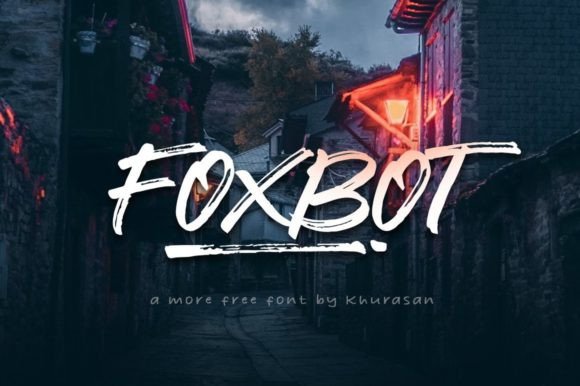
In the landscape of digital typography, finding a typeface that balances authenticity with modern utility is often a challenge. Foxbot emerges as a distinct solution in this space, offering a modern and brushed handwritten aesthetic that bridges the gap between casual expression and professional application. Unlike generic script fonts that can feel dated or overly decorative, Foxbot provides a clean, versatile structure suitable for posters, logos, magazines, book covers, banners, and a wide array of other creative projects. For designers, marketers, and content creators, integrating a font like Foxbot into a workflow requires more than just downloading a file; it demands an understanding of how its specific characteristics influence layout, readability, and brand perception.
Understanding the Role of Foxbot in Visual Communication
Before implementing any new asset into a design system, it is crucial to define its functional role. Foxbot is not merely a decorative element; it serves as a primary vehicle for conveying tone. The "brushed" quality inherent in the font mimics the texture of physical media, such as ink on paper or paint on canvas. This tactile quality resonates with audiences seeking authenticity, making it particularly effective for brands that want to appear approachable yet polished. In a broader process of visual identity development, Foxbot fits into the stage where abstract brand values are translated into concrete visual elements.
When planning a project, the decision to use a handwritten style should be deliberate. It signals a departure from rigid corporate sans-serifs or traditional serifs, suggesting creativity, personal touch, and flexibility. However, this shift must be managed carefully within the overall design hierarchy. Foxbot works best when paired with neutral, structured typefaces for body text, allowing the handwritten elements to draw attention without overwhelming the reader. This interplay between the organic flow of Foxbot and the stability of supporting fonts creates a balanced visual rhythm that guides the viewer's eye effectively through the content.
Strategic Implementation Across Project Phases
The integration of Foxbot can occur at various stages of a creative lifecycle, from initial concepting to final execution. During the pre-production phase, designers can utilize Foxbot to create mood boards and mockups. Its versatility allows for rapid prototyping of headlines and titles, helping stakeholders visualize the final aesthetic before committing to complex layouts. Because the font is designed to be legible even at larger sizes, it serves as an excellent tool for testing contrast and spacing in early drafts.
As a project moves into the production phase, Foxbot becomes a core component of the asset library. For instance, when designing a magazine cover, the font can be used for the main headline to establish immediate visual interest. In logo design, the fluid strokes of Foxbot can form the basis of a mark that feels unique and memorable. The key here is consistency. Once Foxbot is selected for a specific campaign or brand identity, it should be applied uniformly across all touchpoints to reinforce recognition. Whether appearing on a social media banner or a printed business card, the font maintains its character, ensuring that the brand voice remains coherent.
Post-production also offers opportunities for leveraging Foxbot. As part of a long-term content strategy, the font can be repurposed for seasonal updates, event invitations, or promotional materials. Its adaptability means it does not quickly become obsolete; instead, it evolves with the brand as new contexts arise. By treating Foxbot as a foundational element rather than a one-off decoration, teams can streamline their future workflows, reducing the time spent searching for new typefaces for every minor project.
Workflow Integration and Tool Compatibility
Successful implementation of Foxbot depends heavily on its compatibility with standard design tools and platforms. Most modern graphic design software, including Adobe Illustrator, Photoshop, InDesign, and Canva, supports custom font installations seamlessly. When adding Foxbot to these environments, users should ensure that the file formats (typically OTF or TTF) are correctly installed on their operating systems to prevent rendering issues. This technical preparation is a small but critical step in maintaining efficiency.
Within collaborative workflows, sharing the font file among team members is essential for version control. If a designer uses Foxbot on a local machine but the rest of the team does not have it installed, files may open with fallback fonts, disrupting the intended layout. Establishing a protocol for font distribution—such as storing the Foxbot files in a shared cloud drive or using a font management system—prevents these disruptions. This organizational practice ensures that everyone involved in the project sees the design exactly as intended, facilitating smoother feedback loops and faster approval processes.
Furthermore, Foxbot interacts well with other digital assets. When creating web graphics, the font can be converted to SVG paths for scalability, ensuring crisp edges on high-resolution displays. For print projects, the vector nature of the font allows for scaling without loss of quality, which is vital for large-format applications like banners and billboards. Understanding these technical interactions allows professionals to maximize the utility of the font across different mediums, ensuring that the final output meets industry standards for resolution and clarity.
Practical Tips for Maximizing Quality and Efficiency
- Pairing Strategies: To maintain readability, pair Foxbot with a simple sans-serif or serif font for body copy. This contrast highlights the personality of the handwritten style while keeping the information accessible.
- Kerning and Spacing: Handwritten fonts often require manual adjustments to letter spacing. Take time to fine-tune the kerning in Foxbot, especially in short headlines, to avoid awkward gaps or collisions between characters.
- Color Application: Experiment with color gradients or textured fills within the letters of Foxbot to enhance its brushed appearance. This technique can add depth and dimension to flat designs.
- Licensing and Usage: While Foxbot is available as a freebie, always verify the license terms regarding commercial use. Ensuring compliance protects your business from potential legal issues and maintains professional integrity.
Use Cases for Specific Industries and Roles
The versatility of Foxbot makes it applicable across a diverse range of industries. For entrepreneurs and small business owners, the font offers an affordable way to elevate branding without hiring a full-service agency. A bakery, boutique, or consulting firm can use Foxbot to create a cohesive look for their packaging, signage, and marketing collateral, projecting a sense of craftsmanship and care.
Educators and publishers can leverage the font to make learning materials more engaging. Book covers featuring Foxbot can attract readers looking for memoirs, self-help guides, or children's literature, where a personal connection is paramount. Similarly, bloggers and content creators can use the font to design thumbnails, headers, and infographics that stand out in crowded social media feeds. The distinctive style helps cut through the noise, capturing attention in seconds.
Freelancers and designers benefit from having a reliable, high-quality asset like Foxbot in their toolkit. It reduces the dependency on expensive font libraries and speeds up the creation of client deliverables. By mastering the nuances of this typeface, freelancers can offer a wider range of stylistic options, increasing their value proposition to potential clients. The ability to quickly iterate on designs using a familiar font streamlines the production process, allowing more time for strategic thinking and client communication.
Long-Term Value and Consistency
Incorporating Foxbot into a design system is an investment in long-term brand consistency. Typography is a cornerstone of visual identity, and changing fonts frequently can confuse audiences and dilute brand equity. By establishing Foxbot as a standard element, organizations ensure that their communications remain recognizable over time. This consistency builds trust and familiarity, which are essential for customer retention and loyalty.
Moreover, the timeless quality of a well-executed handwritten style means that designs created with Foxbot today will likely remain relevant years down the line. Unlike trendy typefaces that may fall out of favor quickly, the fundamental appeal of human-like brushstrokes endures. This longevity reduces the need for frequent rebranding efforts, saving resources and effort in the long run. For productivity-minded users, this stability translates to a more streamlined workflow, where the focus shifts from searching for new styles to refining content and messaging.
Ultimately, the decision to use Foxbot is about aligning visual aesthetics with strategic goals. It is a tool that, when understood and applied correctly, enhances the effectiveness of communication. Whether used for a single poster or a comprehensive brand overhaul, Foxbot offers a practical, efficient, and visually compelling solution for modern creators. By approaching its implementation with a clear plan and an awareness of its technical and aesthetic properties, professionals can unlock its full potential and create designs that resonate deeply with their target audiences.