Still Roost: Mastering the Art of PUA-Encoded Handwritten Typography
In the ever-evolving landscape of digital design, the quest for authenticity often leads creators back to the tactile feel of ink on paper. Still Roost emerges as a standout solution in this pursuit, offering a lovely, paint-brushed handwritten aesthetic that bridges the gap between traditional calligraphy and modern digital utility. Unlike standard typefaces that rely on complex menus or multiple font files to access decorative elements, Still Roost is engineered with a specific technical advantage: it is PUA encoded. This unique feature allows designers to access all glyphs, swashes, and alternate characters directly from their keyboard, revolutionizing the workflow for both beginners and seasoned professionals.
Understanding the Essence of Still Roost
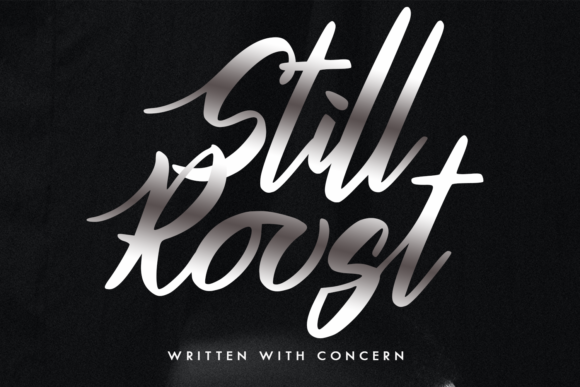
At its core, Still Roost is more than just a collection of letters; it is a stylistic statement. The font mimics the organic flow of a brush moving across textured paper, capturing the imperfections and fluidity that make handwriting so human. The strokes vary in weight, creating a dynamic rhythm that draws the eye and adds emotional depth to any text. Whether you are designing a wedding invitation, branding a boutique coffee shop, or adding a personal touch to a blog header, the versatility of Still Roost ensures that your message stands out with elegance and character.
What sets this typeface apart in a crowded market is its commitment to usability without sacrificing artistic integrity. Many "handwritten" fonts require users to hunt through OpenType features or use specialized software to unlock their full potential. Still Roost eliminates this friction. By utilizing Private Use Area (PUA) encoding, the font embeds its special characters into the standard keyboard layout, making the creation of spectacular designs an intuitive process rather than a technical hurdle.
The Technical Advantage: What is PUA Encoding?
To truly appreciate Still Roost, one must understand the technology that powers its flexibility. PUA encoding, or Private Use Area encoding, refers to a section of the Unicode standard reserved for private use. In the context of typography, this means that font designers can assign special glyphs—such as flourishes, ligatures, and alternative letterforms—to specific keys on your keyboard that typically do not produce visible characters.
For the average user, this might sound like jargon, but the practical application is simple and powerful. Instead of navigating a complex menu to select a "swash 'a'" or a "flourished 'g'," you simply press a designated key combination. This direct access transforms the design process:
- Speed and Efficiency: Designers can type freely, inserting decorative elements instantly without breaking their creative flow.
- Compatibility: Because these characters are treated as standard text by most operating systems, they render correctly across different devices and platforms, provided the font is installed.
- Creativity at Your Fingertips: The barrier to entry is lowered, allowing anyone with a basic understanding of the keyboard to create professional-grade typographic art.
This approach democratizes high-end typography. It removes the need for expensive plugins or advanced knowledge of OpenType features, making sophisticated design accessible to students, hobbyists, and entrepreneurs alike.
Practical Applications in Modern Life and Business
The relevance of a font like Still Roost extends far beyond the desktop of a graphic designer. In today's visual culture, where attention spans are short and competition for engagement is fierce, the right typography can make or break a brand's identity. Let us explore how this versatile style fits into various aspects of modern life, work, and creativity.
Brand Identity and Marketing
In the business world, authenticity is currency. Consumers are increasingly drawn to brands that feel personal, artisanal, and human. A corporate sans-serif font might convey efficiency, but it rarely conveys warmth. Still Roost, with its paint-brushed texture, immediately signals craftsmanship and care. Imagine a bakery using this font for its logo; the brush strokes evoke the image of fresh ingredients and homemade quality. Similarly, a lifestyle blogger can use Still Roost for headers to create a sense of intimacy, as if they are writing a letter directly to their readers.
Furthermore, the ability to easily access swashes allows for unique variations in marketing materials. A social media post featuring a headline with a dramatic flourish on the first letter captures attention more effectively than plain text. This level of customization helps businesses differentiate themselves in saturated markets.
Educational and Personal Projects
Education also benefits from the engaging nature of handwritten fonts. Teachers and educators often use fonts like Still Roost to create worksheets, certificates, and classroom decorations that feel less rigid and more inviting. For students learning about design, experimenting with PUA-encoded fonts provides a hands-on lesson in how digital tools can mimic analog techniques. It encourages experimentation, showing learners that typography is not just about legibility, but also about expression.
On a personal level, individuals can use Still Roost to create memorable keepsakes. From custom greeting cards and scrapbook titles to personalized stationery, the font adds a layer of sentimentality that pre-printed templates cannot match. The ease of use means that even those with limited design experience can produce results that look professionally crafted.
Digital Content and User Experience
In the realm of web design and digital content, readability remains paramount. While decorative fonts should be used sparingly for body text, they are perfect for headlines, pull quotes, and calls to action. Still Roost strikes a balance between style and legibility when used correctly. Its clear letterforms ensure that even with the added texture of a paint brush, the message remains understandable. When paired with a clean, neutral sans-serif for body copy, the contrast creates a visually pleasing hierarchy that guides the reader through the content naturally.
Common Misunderstandings and Best Practices
Despite its advantages, there are common assumptions about PUA-encoded fonts that can lead to frustration if not addressed. One frequent misunderstanding is the belief that these special characters will appear as boxes or question marks on all devices. While PUA encoding is robust, it requires the font file itself to be present on the system viewing the text. If you send a document created with Still Roost to someone who does not have the font installed, the special glyphs may not render correctly unless the text is converted to outlines or embedded properly.
To mitigate this, designers should follow these best practices:
- Web Usage: When using Still Roost on a website, ensure you are using web font formats (WOFF2) and that the CSS is set up to load the font correctly for all visitors.
- File Sharing: When sharing editable documents, always include the font file or convert the text to curves/outlines before sending to a printer or client who may not have the license.
- Readability Checks: Always test your designs at different sizes. While the swashes are beautiful, overusing them can clutter the text and reduce readability, especially in small print.
Another misconception is that handwritten fonts are inherently unprofessional. This is only true if used indiscriminately. Context is key. In formal legal documents or technical manuals, a serif or sans-serif font is appropriate. However, in creative industries, hospitality, fashion, and personal branding, the "imperfect" nature of Still Roost is precisely what makes it professional—it signals a departure from the sterile and generic.
Building a Broader Understanding of Typography
Exploring Still Roost offers a gateway to understanding the broader world of typography. It highlights the importance of the relationship between form and function. A great font does not just display information; it enhances the meaning of that information. The paint-brushed style of Still Roost evokes emotion, while its PUA encoding respects the user's time and creative process.
As we move further into a digital age dominated by screens and algorithms, the desire for human connection grows stronger. Fonts like Still Roost serve as a reminder that behind every pixel, there is a human hand—a history of craft and a desire to communicate with feeling. By mastering tools that blend technical innovation with artistic tradition, creators can produce work that resonates deeply with audiences.
Whether you are a seasoned designer looking to expand your toolkit or a beginner eager to make your first splash in the world of graphic design, Still Roost invites you to fall in love with the possibilities of versatile, accessible typography. Its blend of beauty and functionality proves that technology, when wielded with care, can bring the warmth of the handmade into the digital realm, allowing us to create spectacular designs that speak directly to the heart.